


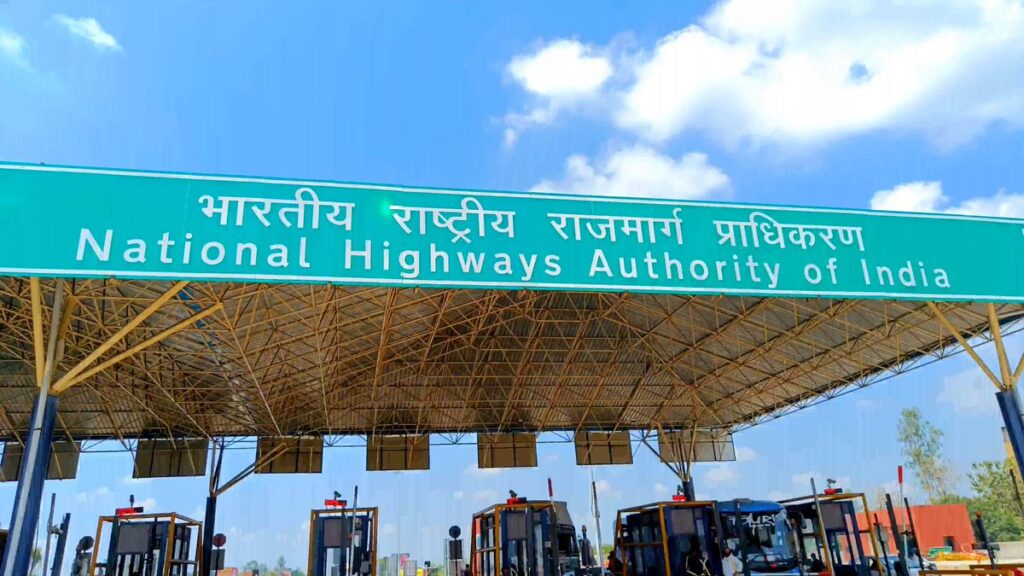
The Enforcement Directorate (ED) on Wednesday initiated a significant operation, conducting searches across multiple states, including Jammu and Kashmir. This move is part of a comprehensive investigation into the alleged fraudulent toll collection practices at National Highways Authority of India (NHAI) plazas.
The ED targeted around 14 locations spanning Jammu and Kashmir, Uttar Pradesh, Rajasthan, Maharashtra, Madhya Pradesh, Delhi-NCR, and West Bengal during the operation. Officials revealed that these searches stemmed from two police FIRs alleging that unauthorized software applications were used to generate toll receipts, diverting toll collections outside the official accounting mechanisms.
According to the ED, forensic examinations and records from NHAI validated the use of such problematic software, triggering the enforcement action under the Prevention of Money Laundering Act (PMLA).
The primary objective of this operation is to recover digital and documentary evidence while identifying the alleged beneficiaries involved in this fraudulent activity. Additionally, the ED aims to trace the proceeds of crime linked to the suspected diversion of toll collections.
By including Jammu and Kashmir in the list of sites searched, the ED underscores the seriousness of its nationwide inquiry aimed at tackling corruption in toll collection practices.
As scrutiny intensifies, officials and experts emphasize that this situation highlights the broader issue of transparency and accountability within governmental operations regarding public funds. Reports indicate that unauthorised software systems could potentially impact revenue collection mechanisms, raising concerns among stakeholders.
In light of these developments, the ED continues to probe deeper into the financial aspects of the toll collection system, ensuring that all entities are held accountable. The agency has urged citizens to report any suspicious activities related to toll payments.
As investigations unfold, the implications of these findings could resonate across the operational frameworks of NHAI and similar organizations, driving reforms aimed at bolstering their integrity.


